
When a tooth is lost — whether due to decay, gum disease, injury, or extraction — the consequences extend well beyond the gap in your smile. The jawbone beneath a missing tooth begins to resorb over time without the stimulation of a tooth root, adjacent teeth shift toward the empty space, and the bite changes in ways that can cause long-term problems.
Dental implants are the gold standard for tooth replacement — and at Full Smile Dental, we offer implant services for patients throughout the Texas Panhandle who are looking for the most natural, durable, and long-lasting solution available.
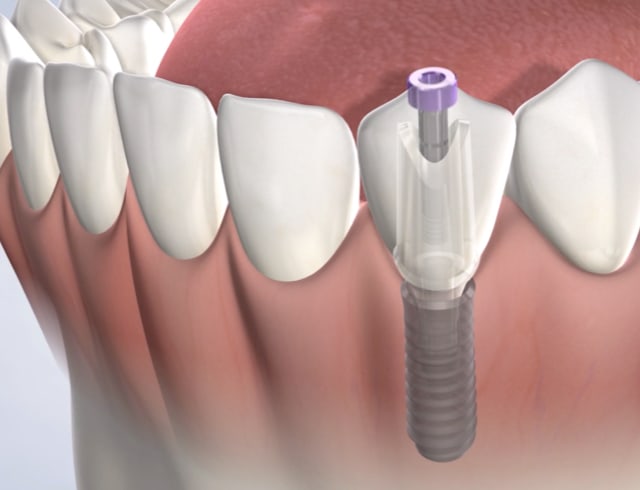
A dental implant is a small titanium post placed directly into the jawbone, where it fuses with the surrounding bone over a period of months through a process called osseointegration. Once integrated, the implant serves as a stable, permanent root for a custom-crafted crown placed on top.
The result is a tooth replacement that looks, feels, and functions like a natural tooth — and with proper care, can last a lifetime. Unlike bridges, implants do not require altering adjacent healthy teeth. Unlike dentures, they do not slip or require adhesive.
If you are missing one or more teeth and want to understand whether implants are right for you, our team will conduct a thorough evaluation and walk you through every option available.
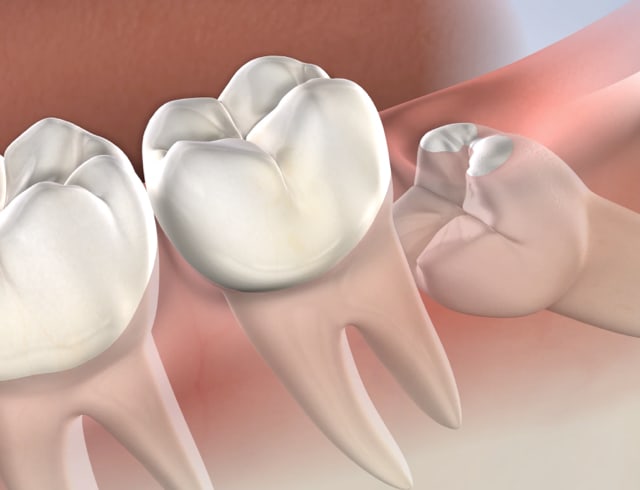
Wisdom teeth, also known as third molars, should be removed by an experienced oral surgeon.
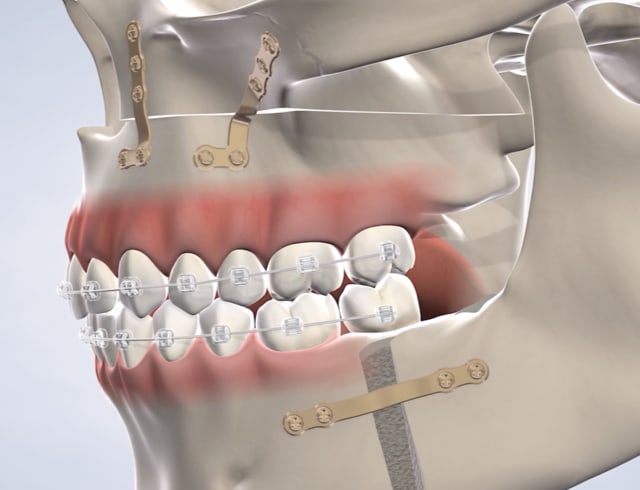
Jaw surgery corrects bite misalignment, alleviates facial pain, and improves facial harmony.
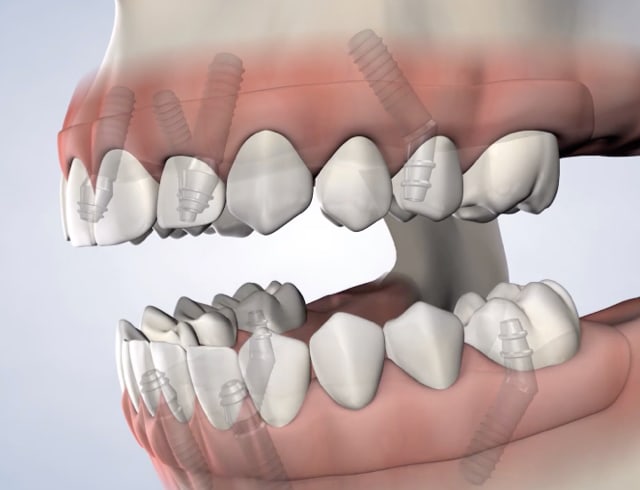
Restore one or both arches of teeth with a natural-looking prosthesis supported by as few as four dental implant posts.
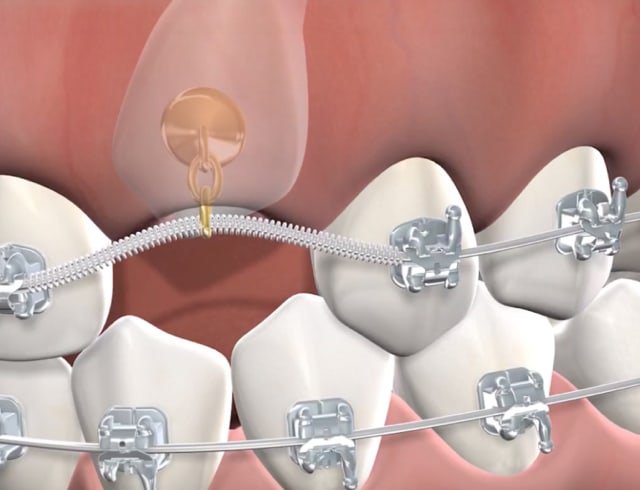
Exposure and bonding bring impacted canine teeth into their correct positions in the dental arch for proper oral function.
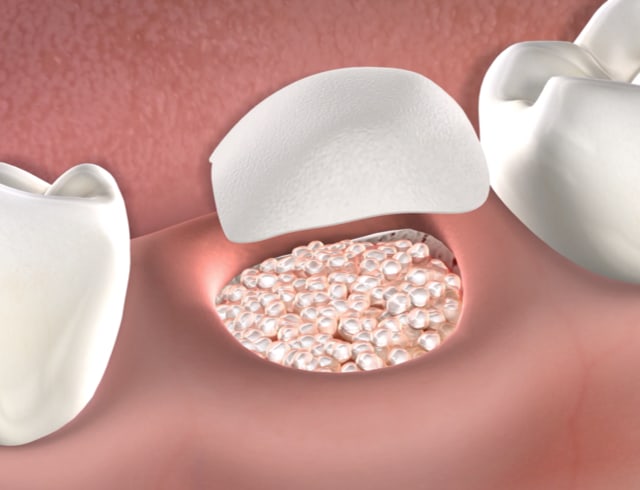
Bone grafts regrow bone in an area where more bone is desired and help prepare the jaw to support a dental implant.
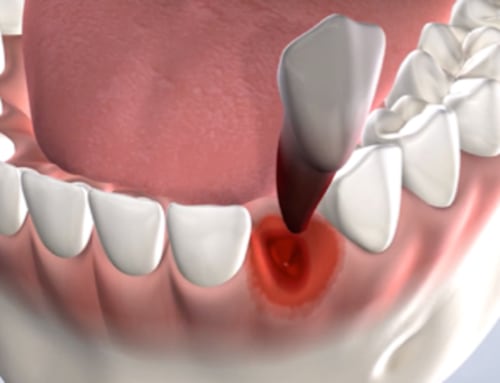
Preserving your natural teeth is always our first priority. But when a tooth is too damaged, infected, or compromised to be saved — or when an extraction is needed as part of a broader treatment plan — our team performs both simple and surgical extractions with the gentleness and precision our patients deserve.
Common reasons a tooth may need to be extracted include severe decay that cannot be restored, advanced gum disease, a fractured tooth that cannot be repaired, an abscess or infection that has progressed beyond the point of conservative treatment, overcrowding as part of an orthodontic plan, and impacted wisdom teeth.
We take every step to ensure you are completely comfortable before, during, and after your extraction — and we will always discuss tooth replacement options with you so that losing a tooth is the beginning of a solution, not the end of the conversation.
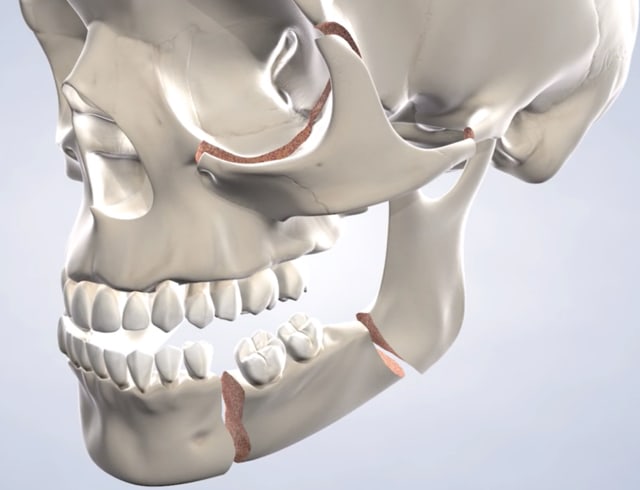
Emergency treatment of facial injuries by a qualified oral surgeon ensures optimal healing of the head, neck, mouth, or face.
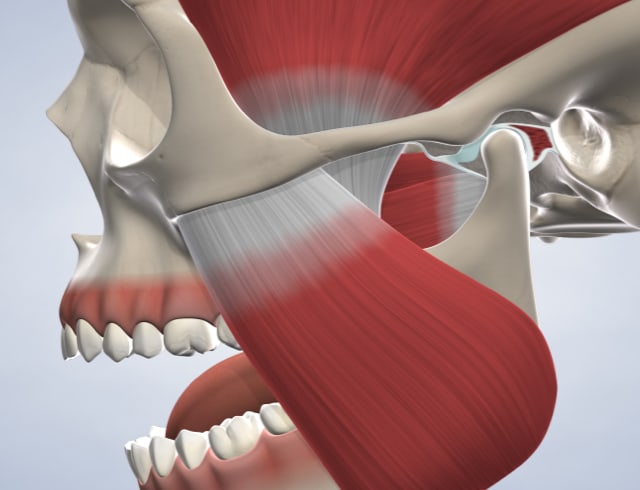
Facial pain or clicking or popping of the jaw joint could signal a temporomandibular joint (TMJ) disorder.
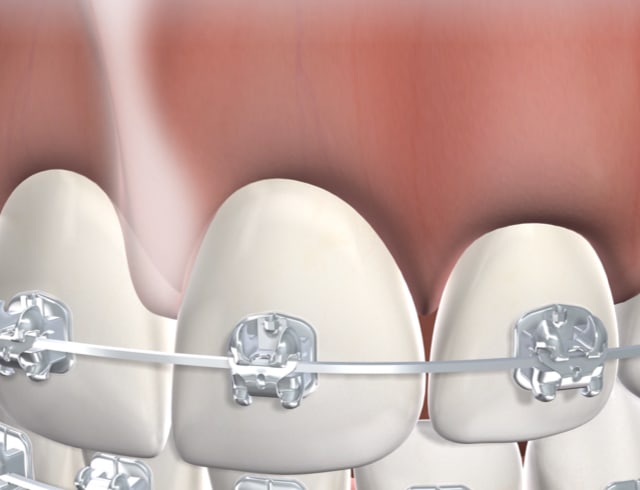
Correcting a frenum that is too thick or too short enhances oral function by improving the bite, feeding, and speech.
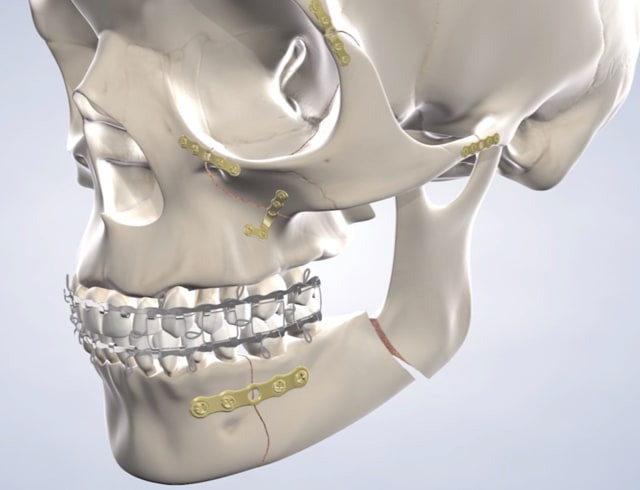
Distraction osteogenesis is an advanced bone regeneration method for repairing facial deformities and eliminating the need for a bone graft.
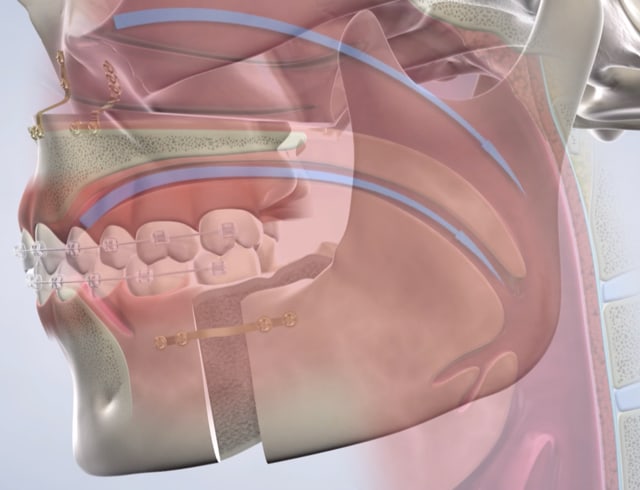
Surgical and nonsurgical treatments for sleep apnea are available to ensure proper airflow and a good night's sleep.
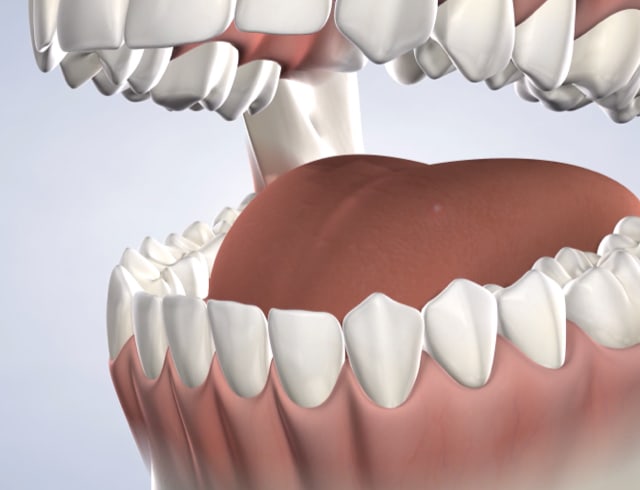
Any abnormality in the way the mouth normally looks, feels, or functions should be evaluated by an oral surgeon.
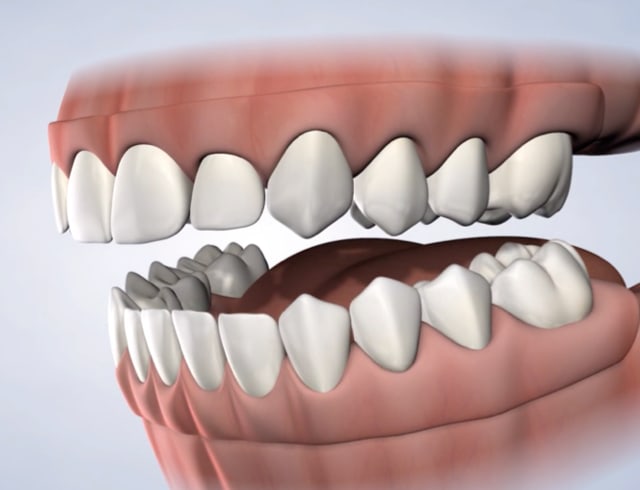
Pre-prosthetic surgery from an expert oral surgeon ensures the most comfortable and secure-fitting prosthesis.
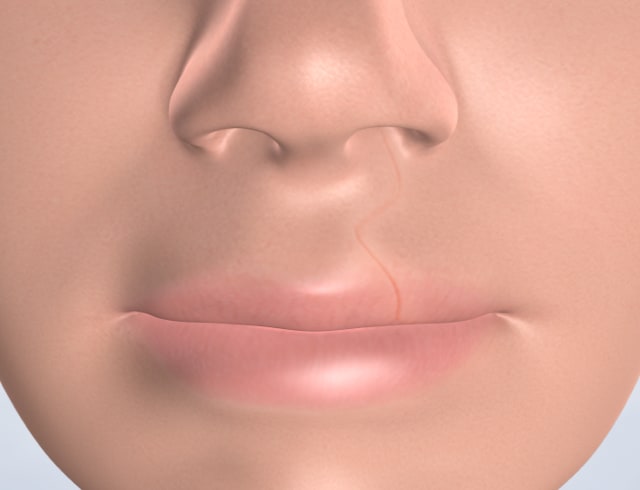
Customized treatment from an expert cleft team ensures your child achieves an optimal aesthetic and functional outcome.